
The Ecommerce Guide to Gifting
How brands can tap into easy revenue through strategic ecommerce changes.
About this guide
Every year, brands have holes in their strategy where gifting should be. And they’re missing out on millions of pounds in revenue.
Crucially, 2026 is the year that needs to change. The global gifting market is set to surge from $113 billion in 2023 to $301 billion by 2030, so there’s a pretty decent slice of pie to be had, right?
This guide reveals how some brands are tapping into easy revenue through strategic gifting, personalisation, and bundling… without the cost, risk, or wait of developing new product ranges.
Chapter 1: The challenge
Let's talk about what's actually happening to your online store right now.
You’re probably looking to squeeze every last penny from every site visit.
Marketing teams are being asked to do more with less; every pound must work harder, and quick-win revenue opportunities are now critical rather than ‘nice-to-have’. The days of long-term, experimental strategies are being replaced by a need for tactics that convert now; ecommerce needs strategy tweaks that can be implemented fast, tested quickly, and scaled if they work. Plus, a busy market means that any given brand has a list of competitors to fight with, so standing still simply isn’t an option.
Meanwhile, there’s a warehouse challenge too. Good product stock from last season sits stale, or maybe some packaging got a bit scuffed. Perhaps the team over-ordered and sales didn't quite match forecasts. It happens.
The usual fix might be to slash prices and run clearance sales, or even write off excess stock and move on to the next season. Not only is this a cycle of endless spend for your budget, but it trains customers to wait for discounts, and quietly chips away at your overall brand value.
So there’s an opportunity to marry the two, right? And a solution to be found.
Most brands treat gifting like it's only relevant three times a year: Christmas, Valentine's, Mother's/Father’s Day. Done. But that approach misses the bigger picture.
Gifting isn't just about the biggest calendar occasions. It's about how customers discover, experience, and share your products – and, ultimately, your brand. It hits any time a customer browses with someone else in mind, and it hits when someone browses for themself too. Importantly, it hits every customer touch point; from clicking the buy button, to sharing reviews on social.
The brands getting this right aren't constantly launching expensive new product lines, or overhauling ecommerce offerings. They're working smarter with what they already have.
But how?
Chapter 2: The playbook for gifting revenue
The opportunity is immediate. The infrastructure already exists.
Through strategic bundling, mystery boxes, limited editions, premium packaging, and personalisation, you can generate substantial new revenue without the cost, risk, or lead time of developing new products.
Let’s explore…
How to create product bundles
Product bundling is a straightforward tactic. Take multiple SKUs, package them together, and sell them as a single unit.
Bundles can boost average order value, increase add on sales, and raise conversion rates (whilst leaving product development budgets in tact). Plus, bundle promotions are great fuel for marketing campaigns, and can also be a reactive tool when you spot new customer behaviour or emerging product trends.
Schwartz, the global retailer for herbs, spices and seasonings, gets clever with bundling tactics. By identifying products that form a cohesive combo pack – such as packets for roast potatoes, sprouts and gravy - they pair best sellers with slower sellers. This creates a bundle of festive favourites; meaning browsers can get all the seasonal essentials for Christmas trimmings in one purchase.
When wrapped in with a marketing campaign or when positioned as a gift, bundles are particularly powerful. They solve the ‘decision paralysis’ problem for customers, whilst moving multiple products in a single transaction.
The best part? You're not creating anything new. You're just being smarter about selling what already exists.
Did you know
Success story
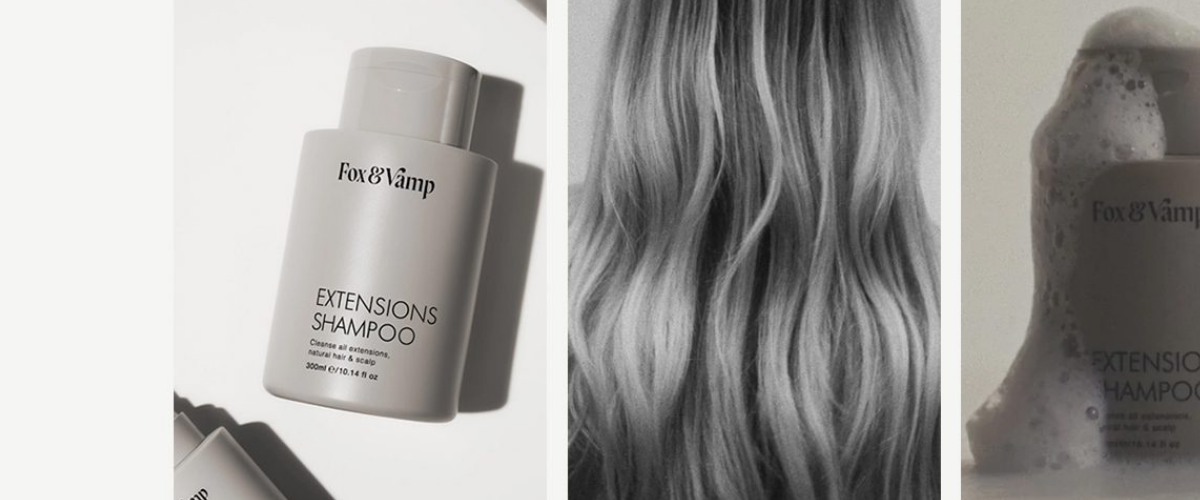
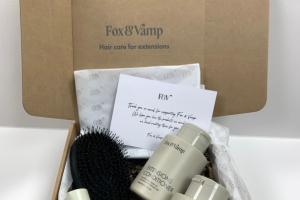
Fox & Vamp, a luxury hair salon brand, spent years developing a unique formula for their game-changing new haircare range.
With three unique products on offer, it was a strategic move to group the SKUs into a bundle. ‘The Complete Kit’ makes it effortless for customers to get everything they need in one click.
The beauty of the bundle? (Other than the gorgeous bottles of course.)
No new product development was required. Everything already lives on the warehouse shelves, and is simply picked and packed before being shipped to the customer in beautiful bundle box packaging.
Putting product mystery boxes together
Two problems solved at once.
Mystery boxes clear legacy inventory while creating genuine excitement.
The psychology is simple; people love surprises and blind boxes appeal to shoppers’ curiosity. It captures customers who crave novelty and experience over predictability, or those prone to impulsive add on sales. This tactic offers an emotional hook that traditional discounting lacks. Instead of slashing prices on last season's stock, you're repackaging it as something desirable.
Customers get the thrill of the unknown. You get to move existing inventory without devaluing your brand. Everyone wins.
Did you know
The global blind box market was valued at around 3.2 billion USD in 2024,
and that’s expected to reach 7.5 billion USD by 2033.

A real-life example
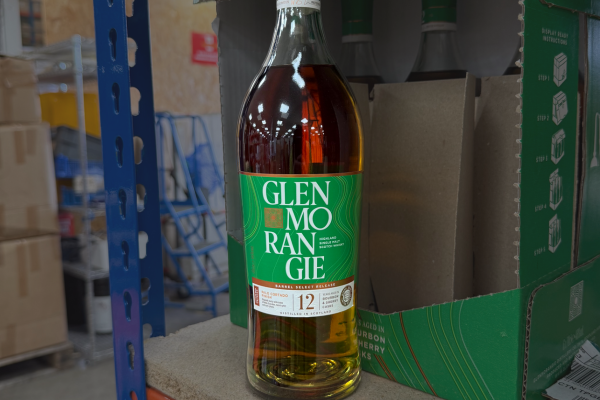
As a heritage whisky name with a devoted fan base, Glenmorangie was looking for a fresh way to surprise and delight their most loyal customers.
In separate news... The brand had a large reserve of legacy stock they wanted to release, but it needed to feel like more than just a warehouse clearance exercise.
The answer? A beautiful mystery box.
The campaign launched at 10am, and by 2pm every single mystery box had sold out.
Within just 24 hours of the boxes selling out, every single order was packed, dispatched, and on its way to customers.
How to run limited editions
Tap into one of the most powerful drivers in retail: the fear of missing out.
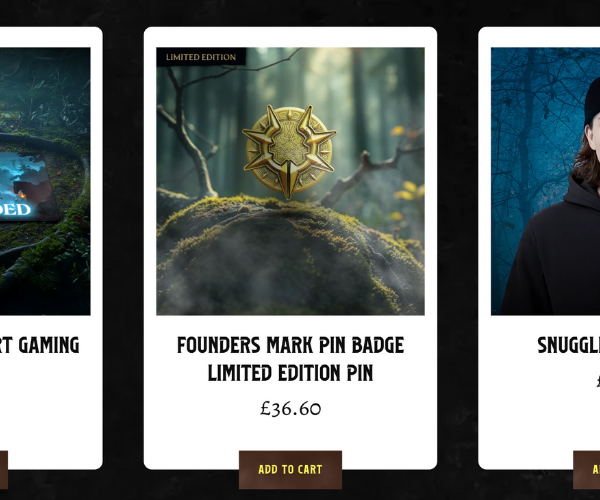
By limiting availability - whether it's a numbered run, a seasonal release, or a ‘while stocks last’ offer - you create urgency that standard products can't match.
Important to say, this should always be handled responsibly and shouldn’t strong arm customers by putting on too much undue purchase pressure.
When positioned correctly, limited edition products can see conversion rate increases and multiple quantity baskets.
This is particularly prevalent if you're marketing higher-end or premium goods, or selling to younger demographics. In fact, research shows that two in five Gen Zs and Millennials have bought a special edition or limited release item from a brand.
Ultimately, you're using existing products and just positioning them in their finite number.
Did you know
Over 60% of people have made a purchase because of FOMO.
And, when surveyed, 40% of people admitted they spent more than they intended to when a deal or product was marketed as ‘limited’ or ‘trending’.
The power of product personalisation
When customers love the product so much, they put their name on it.
The average UK gift shopper will increase their spend by 7% when buying gifts which feature an element of personalisation.
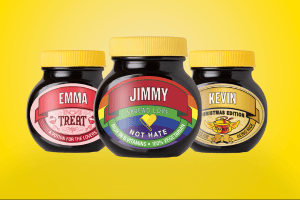
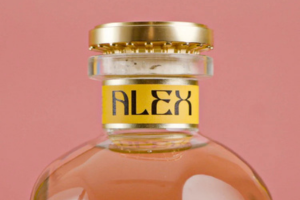
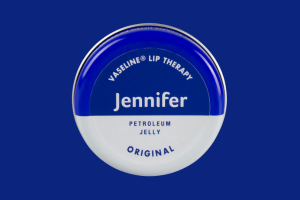
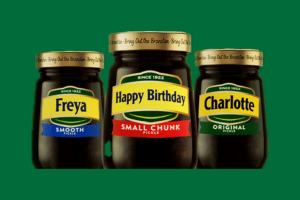
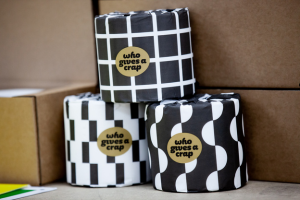
Adding names, messages, or designs to make an item unique, you can give customers a reason to feel more affinity and ownership to their purchase, or give them a reason to gift even the most unsuspecting gift (we’ve partnered with all kinds of brands on personalisation – from loo roll, to jars of pickles).
It’s one of the simplest ways to unlock new gifting revenue without investing in fresh product development. You’re using the same core inventory but offering something far more emotive and memorable. Done well, it elevates perception, commands a higher price point, and turns standard purchases into meaningful moments worth sharing.
Did you know
The personalised gifts market in UK is forecast to increase by 1.26 billion USD between 2024 and 2029.
Plus, Censuswide report younger shoppers are more likely to spend on personalised gifts, and spend more. Shoppers under 35 will spend £30 more per gift than those over 55.

A real-life example
Bespoke branded packaging
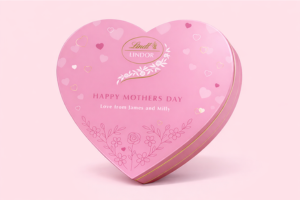
Product packaging is often the first physical interaction a customer has with your brand - and in gifting, it’s a make-or-break moment. It’s not just about protection; it’s about presentation, storytelling, and creating a sense of anticipation.
Brands using personalised, bespoke packaging show 68% higher customer retention compared to standard packaging. In 2025, packaging can be a conversion factor in and of itself.
Done thoughtfully, packaging becomes part of the product’s appeal, transforming delivery into an experience worth sharing.
Did you know
A real-life example
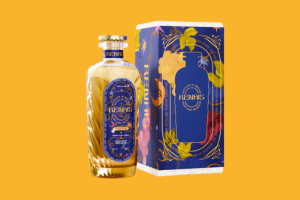
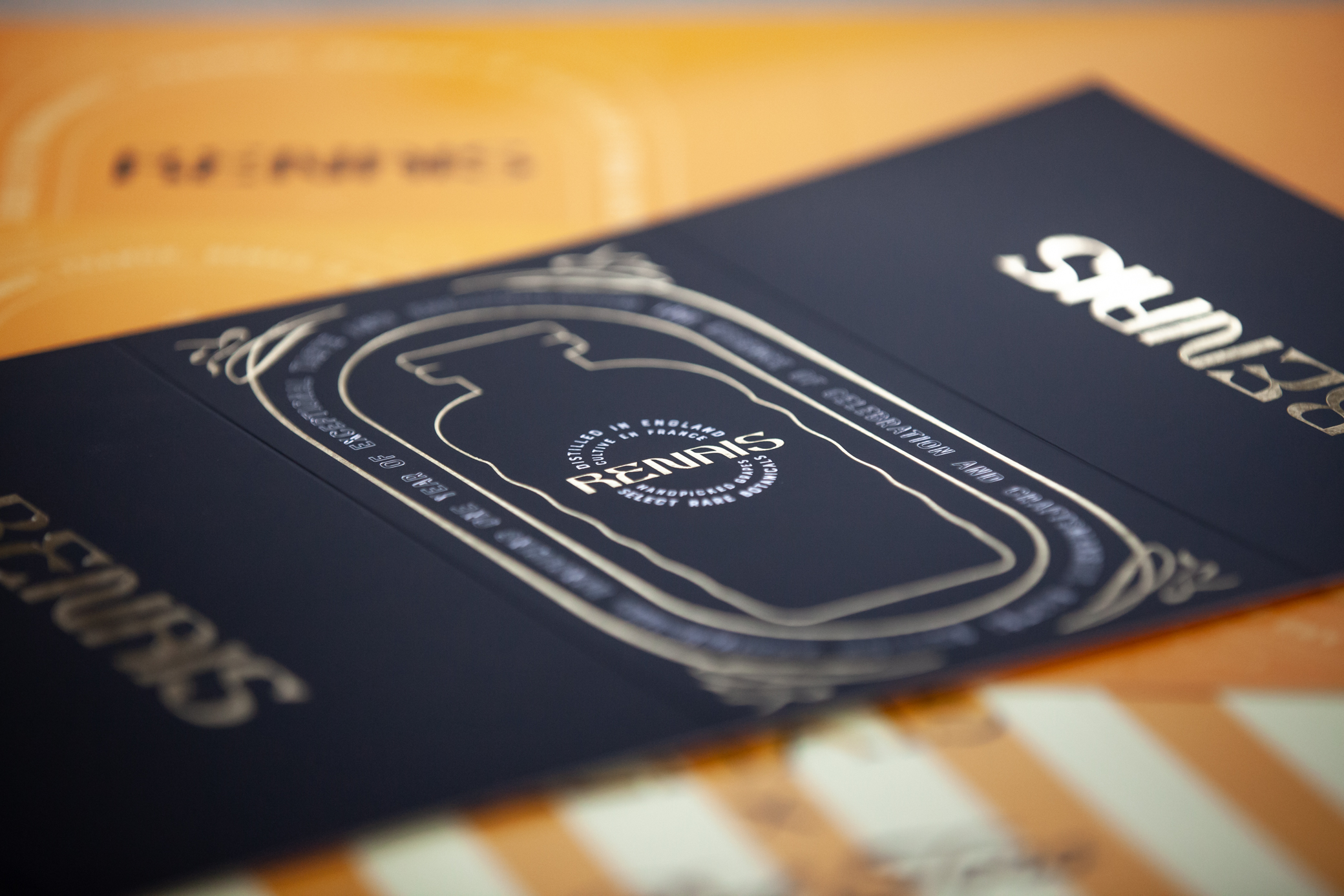
For the inner, protective packaging, the brand opted for innovative mushroom-grown, plant-based packaging that is home compostable. And the outer packaging is where the brand really creates buy-button appeal.
The bottles are housed in beautifully designed boxes that change with the seasons. Spring, Summer, Autumn, Winter; The Renais team turn the box branding into a reason to buy.
Not only that, but customers are able to put their name on the bottle…
Chapter 3: The ecommerce elephant in the room
All the clever conversion tactics in the world will only reach their potential if the ecommerce setup can keep pace. The quickest routes to new gifting revenue don’t require big product overhauls; they require the ability to act fast online. If your shopfront can’t flex quickly enough to showcase and fulfil these ideas, even the best concepts risk falling through a gap.
A well-built ecommerce foundation brings agility, letting brands test, launch, and scale gifting campaigns in days, not months.
Ultimately, gifting thrives on impulse, timing, and sentiment; all things that an adaptable storefront can amplify. The brands winning in this space aren’t necessarily those with the most SKUs or the biggest budgets; they’re the ones whose ecommerce experience is built to move quickly and convert gifting intent into sales. In today’s market, agility online isn’t a nice-to-have, it’s the foundation of sustainable growth.
Chapter 4: The conclusion
To wrap it all up...
The global gifting market is set to surge from $113 billion in 2023 to $301 billion by 2030. Gifting isn’t a niche play. It’s one of the most versatile and underused revenue drivers in ecommerce.
Bundling, limited editions, personalisation, packaging, and mystery boxes all prove that you can unlock new sales, drive higher average order values, and build stronger emotional connections. It’s about positioning, presentation, and timing - three things that, when done well, can transform the way customers see your offering.
So, whether it’s breathing new life into slow-moving stock, elevating your unboxing experience, or giving customers more ways to make something feel personal; there’s huge potential waiting to be tapped.
Want to unlock new ecommerce revenue?
Here are some key stats to take away about ecommerce and gifting
$7.5bn
That's the expected value of the blind box market by 2033.
Brands with personalised, bespoke packaging see
68%
higher customer retention compared to standard packaging.
40%
of people admitted they spend more money than they intended to, when a deal or product was marketed as 'limited' or 'trending' - showing the power or limited edition product runs.
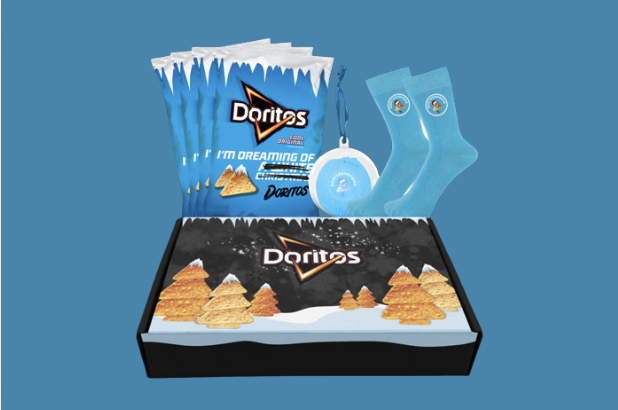
Doritos created a Christmas bundle with an RRP
900%
higher than the cost of goods - and it completely sold out.
£30
That's the extra cash, on average, under 35s will spend on an personalised gift, compared to those aged over 55.
The average UK shopper will increase spend by
7%
when buying gifts featuring an element of personalisation.
Get in touch

Let's talk
Brands trust us to set them up for ecommerce success.
Find out how.
Note for readers: At the time of publishing, information was checked for accuracy. Our blog and guide content isn't a substitute for tailored, professional advice, so please get in touch or consult an expert for guidance specific to your business.
References:
https://www.marketresearchinsights.com
https://www.alore.io/blog/how-to-create-fomo
https://www.amraandelma.com/fomo-in-marketing-statistics/
https://www.technavio.com/report/uk-personalized-gifts-market-analysis
https://blakemade.com/how-luxury-packaging-enhances-the-unboxing-experience/